Homes of U.S. Presidents, Part I: The Virginians

U.S. Presidential Homes, Birthplaces & Grave Sites
From half-day sidetrips to hour-long leg stretches, a visit to a presidential birthplace, family home, or presidential library is an interesting, relaxing way to break up those 6- or 7-hour stretches of highway on any type of roadtrip. You can learn quite a bit about the different presidents when touring their homes as well as a great deal about how different socio-economic classes of people lived during different time periods.
Some visits work well as entertainment before stopping for the evening or before setting off in the morning for the next leg of your journey. I suggest following up a visit with a lunch or dinner at a local restaurant and sampling the area's cuisine.
You do not need to be a history buff to enjoy these homes. Many, such as Washington's Mount Vernon, offer beautiful views, carriage or hay rides, garden shows, and even dining. The volunteers or National Park employees who work at these sites are truly dedicated, informative people and are happy to answer a myriad of questions.
This article covers Presidents 1, 3, 4 & 5: George Washington, Thomas Jefferson, James Madison & James Monroe, our Virginians.
1. George Washington
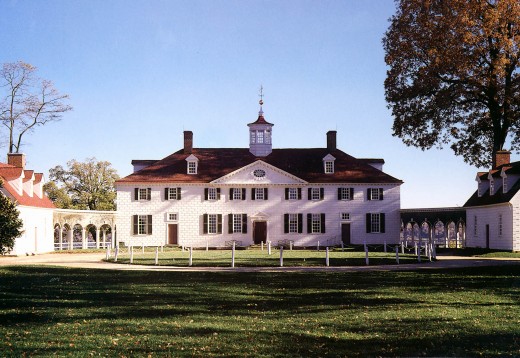
Many historic sites can claim that "George Washington slept here" or "George Washington ate here." But only two sites remain that George Washington considered home: his beloved Mount Vernon; and, his boyhood home Ferry Farm, in Stafford County, Virginia. His birthplace in the Northern Neck of Virginia burned down in 1779.
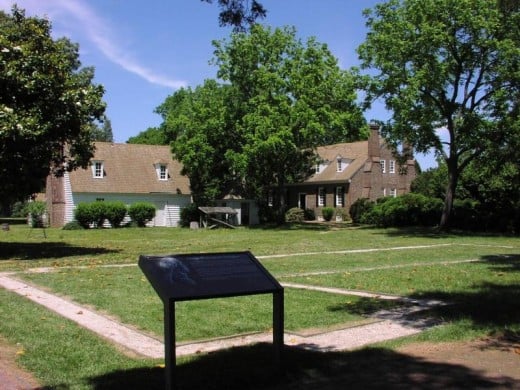
George Washington: Birthplace
Where: 1732 Popes Creek Rd., Colonial Beach, VA 22443
When: 9am-5pm daily
Price: No Cost
Web: www.nps.gov/gewa/
Despite Washington's birthplace burning to the ground in 1779, the National Park Service has preserved the environment and landscape that helped shape Washington's life as a farmer and surveyor. Located in the Northern Neck of Virginia, this Tidewater land was part of Washington's family for generations and features their ancestral burying grounds, including that of the first Washington in America, great-grandfather John Washington.
This is a good side-trip for families vacationing in the Tidewater area. The National Park includes a Living Colonial Farm that features heritage livestock and tobacco. Special events feature costumed interpreters and interactive demonstrations, and there is a one mile loop Nature Trail. A picnic area offers tables, grills, a pavilion, and restrooms. The Potomac River beach offers view of the river and Maryland, walking, sunbathing, and fishing.
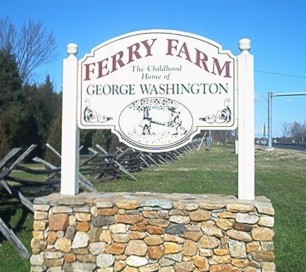
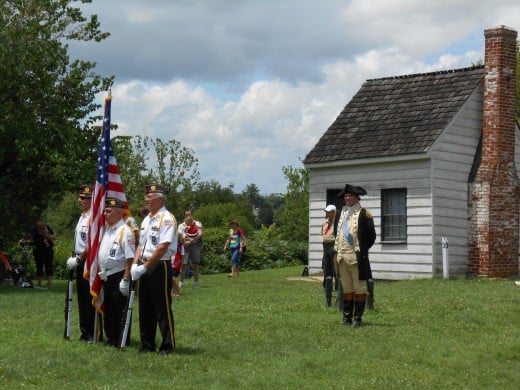
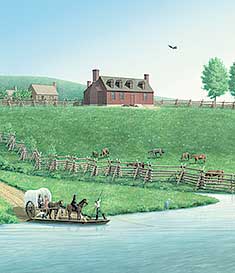
Boyhood Home: Ferry Farm
Where: 268 Kings Hwy, Fredericksburg, VA 22405
Hours: Monday-Saturday, March-December
Cost: $8 adults, $4 students, under age 6, free
Web: www.kenmore.org/ff_home.html
George Washington had an active childhood in Virginia. When his father, Augustine, moved his family to Ferry Farm in 1738, George was 6 years old. While living at Ferry Farm, George's younger sister Mildred died in infancy, and in 1743, his father died, leaving a will that divided his properties among his sons. George inherited Ferry Farm, which he called home until 1753 or 1754. After he left home, his mother Mary Ball Washington and his younger siblings continued to reside at Ferry Farm.
In 1922, the association now known as the George Washington Foundation purchased Kenmore, the Fredericksburg home of Washington's sister, Betty Washington Lewis, and her husband Colonel Fielding Lewis.
In 1996, the organization saved the 80-acre Ferry Farm from commercial development. [Can you imagine the President's Day sales at something like Ferry Farm Fashion Mall?] The Foundation now owns a 113-acre tract that includes the entire original river frontage, the core of the farm’s original domestic and farming operations, and the colonial ferry sites. Since acquisition, the Foundation’s goal has been to uncover the house and outbuildings on the Washington farm in order to allow for reconstruction on the landscape, interpretation for the general public, and study by scholars.
In July 2008, archaeologists announced the discovery of the foundation and cellar of the clapboard farmhouse on a bluff overlooking the Rappahannock River. Other discoveries have included relics belonging to the site's historical inhabitants, including American Indians, early European settlers, the Washingtons, and Civil War battles.
Most of the wood and other elements of the original Washington structure are long gone—many of them “recycled” by builders of houses later constructed on the property or destroyed by Civil War troops who once camped there—and part of the house foundation has eroded away. But as they dug through layers of soil, archaeologists came upon the remains of two chimney bases, two elegantly crafted, stone-lined cellars, and two root cellars. Excavation of the cellars has yielded thousands of artifacts: pieces of ceilings, painted walls, and hearth; fragments of 18th-century pottery and other ceramics; glass shards; and, wig curlers and toothbrush handles made of bone.
A trip to Ferry Farm is a must for those interested in George Washington and the Colonial era. Discounts on tickets for both Ferry Farm and Betty Washington Lewis' nearby Kenmore are available.
Note: Do not confuse Washington's Ferry Farm with Ferry Farm Plantation in Maryland.
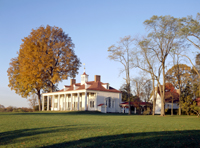
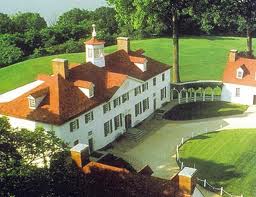

Mount Vernon
Where: Mount Vernon, Virginia (outside of Washington, DC)
Cost: Admission ranges from $7 to $15 for the Estate and Grist Mill/Distillery Tour. Extra tickets are required for Gardens & Landscape Tour, Slave Life Tour, National Treasure Tour, and Sightseeing Cruise.
Open: The Estate is open year-round, including Thanksgiving, Christmas Day, and New Year's Day. The Grist Mill/Distillery is open April-October. Other tours are also seasonal.
Web: Check the website, mountvernon.org, for a calendar of events and to purchase tickets online (recommended).
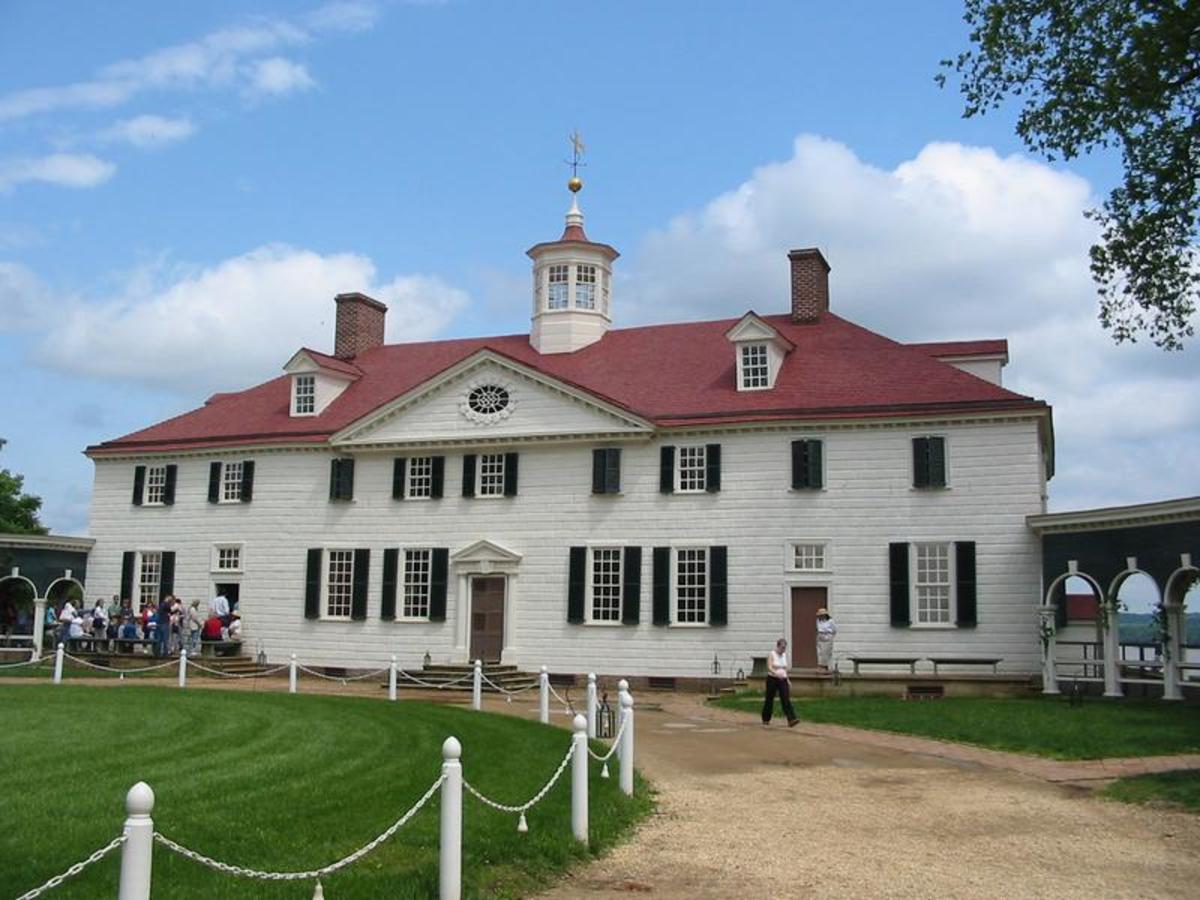
Perhaps one of the most-visited and most well-known presidential homes is Mount Vernon, George Washington's beloved Virginia plantation. His home is also one of the largest living-history estates of all of our U.S. Presidents. It is packed with events and hands-on activities that are perfect for people of all ages, as well as on-going archeological research. While many of the our presidential homes and birthplaces are quick side trips, Mt. Vernon is an truly an all-day destination in itself.
Washington inherited Mount Vernon from his half-brother Lawrence. After retiring from the Army at the ripe age of 27 and marrying Martha Custis, who was the young widow of one of the wealthiest men in Virginia, Washington settled down as a gentleman farmer at Mt. Vernon, which was the center of his life from 1759 through 1775.
Washington was a successful, innovative, and passionate farmer. He more than doubled the size of his plantation to 8,000 acres. The plantation was comprised of five farms. Four of those farms were fully staffed working farms. Mount Vernon, the fifth farm, was called the Mansion House Farm and was allocated 500 acres. Even while commanding the colonial army during the Revolution and later, as President, Washington was continually sending instructions to his staff back at Mt. Vernon. His letters and papers often mention his desire to be back at home with his crops and horses.
The Mount Vernon Ladies' Association took possession of the home in 1860 and began restoration work immediately. Over the next 150 years, the Association was able to bring back thousands of Washington possessions and artifacts. Happily, when you visit Mount Vernon, you are visiting a home where 30% of the furniture is authentic furnishings used by the Washingtons themselves. When decorating the house to reflect how it appeared in 1799, the Association was able to utilize Washington's probate inventory, oral histories, and official records.
The Distillery
George Washington's whiskey distillery was the center of archaeological discovery in 1999. Under the direction of his plantation manager, James Anderson, a Scot, Washington's 1797 distillery was the largest in the United States, producing 11,000 gallons of whisky in 1799. According the the Association, five copper pot stills produced whiskey using Washington’s original mash bill (60% rye, 35% corn, and 5% malted barley), which was sold to neighboring farmers and in Alexandria, VA.
In 1799, the year of his death, Washington's inventory listed: peach, apple, and persimmon brandy; plain whiskey; and, cinnamon whiskey. These were stored in the Mansion’s basement.
Today, the two-story, stone distillery is reconstructed per original plans and operates seasonally, producing George Washington Straight Rye Whiskey. Limited runs are available only on-site at the Mt. Vernon store and the Gristmill Shop.
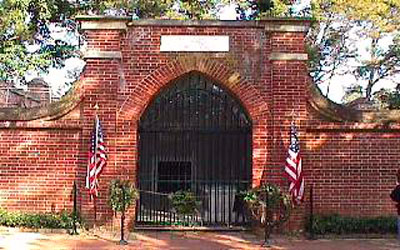
Grave Site
Both George and Martha Washington's final resting places are at Mt. Vernon. Washington selected the site of what is called the New Tomb with an order for a new brick tomb to replace the original family burial vault (Old Tomb). New Tomb was built in 1831, and Washington’s body was transferred along with the remains of Martha and other family members. Twenty-five members of the Washington family are interred in an inner vault, and three family members are buried beside the tomb. Two obelisks commemorate family members who owned and lived at Mount Vernon during the first part of the 19th century.
3. Thomas Jefferson
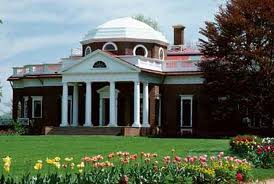
Like Washington, our third president Thomas Jefferson--the learned statesman, writer, innovator, philosopher/political scientist, and all-round Renaissance man--adored and dedicated much of his life to the development and improvement of his home, Monticello.

Monticello
Where: Charlottesville, VA
When: Every day except Christmas Day
Pricing: Varies by age, season and tour.
Web: monticello.org
Located outside Charlottesville, Virginia, and near Washington, D.C., Monticello is on the Worldwide Registry of Historic Places. Like Mount Vernon, a visit can add a full day to your trip--but one that is so worth the time! The plantation is open every day except Christmas Day and offers special programs for different ages and interests. The website, monticello.org, is invaluable, with a beautiful virtual tour, information, and calendar of events.
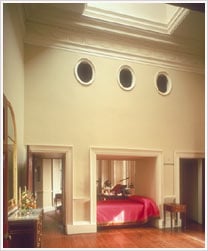
The house that people tour is the same home that Jefferson lived in after his presidency with his children and their families. The land for Monticello was originally bought by Jefferson's father, with Jefferson clearing the mountain top for the home in 1768. Construction on Monticello began in 1770. In that same year, his childhood home, Shadwell Plantation, was destroyed by fire, so Jefferson moved into Monticello's finished South Pavilion. The South Pavilion was where Jefferson and his wife, Martha Wales Skelton, lived following their marriage in 1772, and where their children were born.
The first version of Monticello was complete in 1782, the same year Jefferson's wife died after the birth of their youngest daughter, Lucy. Throughout his service as the U.S. Ambassador to France, Jefferson bought books and furnishings for Monticello. Following his return to the U.S., he began enlarging and remodeling Monticello.
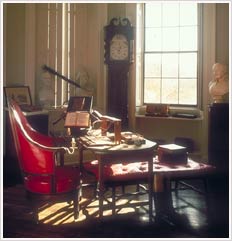
Monticello is the mansion home of the four farms that make up the entire Monticello plantation. The others include Shadwell, Tufton, and Lego. Like Washington, Jefferson used these farms for crop rotation. But unlike Washington, Jefferson was a highly indebted businessman. At the end of his life, Jefferson had hoped his family would be able to continue living at Monticello, but his debt load was too large. His daughter, Martha Randolph, was forced to sell the home and furnishings. However, the Thomas Jefferson Foundation has worked hard to locate and bring back original Jefferson furnishings. The website states that 60% of the furnishings are original to Jefferson.
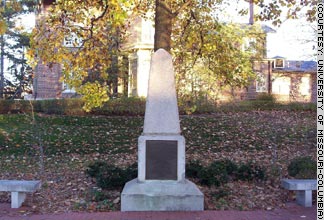
Jefferson's Gravesite
Thomas Jefferson, his wife, his two daughters, and his son-in-law are buried under a monument in the Monticello Graveyard on the plantation property. The monument is not the original obelisk that Jefferson designed. The original was chiseled from Jefferson's preferred "coarse stone," which did prevent theft but did not prevent visitors from chiseling their own souvenirs. According to Monticello's website, Uriah Phillips Levy, who purchased Monticello in 1836, moved the original tombstone up to the house to protect it from further damage. Later, Thomas Jefferson Randolph took the original monument for safekeeping.
In 1882, a joint resolution of Congress provided funding for a new granite monument, which was completed and erected at Monticello the next year. Jefferson's descendants donated the original obelisk to the University of Missouri, where it was unveiled on July 4, 1885. It now resides on the University's Francis Quadrangle.
The inscription on the 1882 obelisk remains the same as the original:
Here was buried
Thomas Jefferson
Author of the Declaration of American Independence
of the Statute of Virginia for religious freedom
& Father of the University of Virginia
The Graveyard is owned by direct Jefferson descendants of the Monticello Association. Burial for direct descendants continues in the graveyard to this day.
Virginia's Early American Presidential Homes

Ash Lawn-Highland
Monticello
Mount Vernon
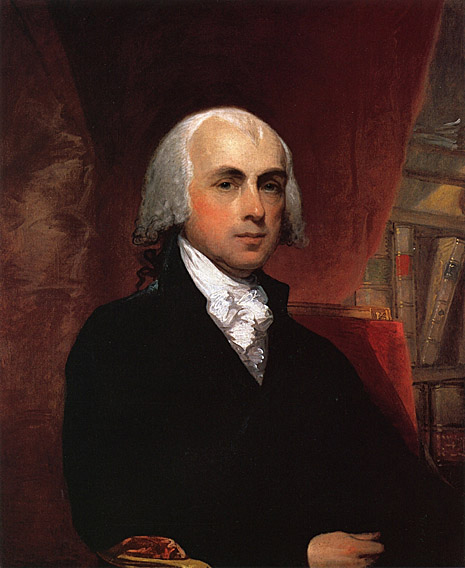
4. James Madison
The third Virginia president is "Little Jemmy" Madison, our 4th president. All of 5 ft. 4 in. and 100 pounds, our most diminutive president wielded heavy influence over our lives today as the primary author of the U.S. Constitution and of our Bill of Rights. Madison is the last Founding Father to hold the office of President.
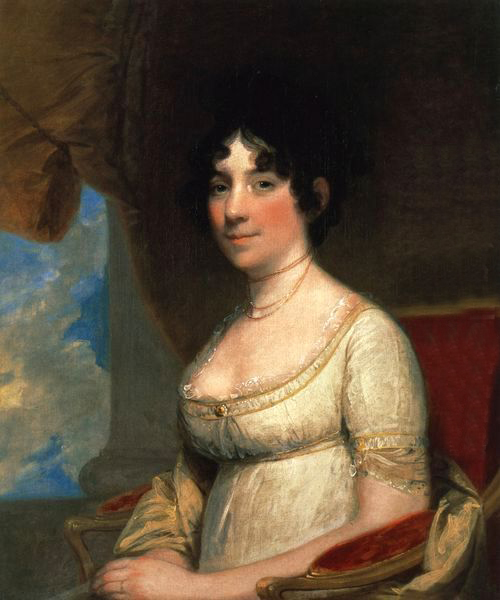
In 1794, at 40-plus years, the quiet Madison fell madly in love with 25-year-old widow Dolley Payne Todd while a resident in her mother's Philadelphia boarding house (which no longer stands). Aaron Burr, a fellow boarder, is credited with introducing the pair. James and Dolley never had children of their own, but James was a doting father to Dolley's surviving son John Payne Todd.
Despite Abigail Adams' laundry famously drying on a line inside the newly built White House, James and Dolley were the first couple to reside in the White House. They are also considered Washington's first "power couple." As the first enthusiastic presidential wife, Dolley redecorated the public rooms in a style grand enough to impress foreign diplomats and is credited with saving many historical documents during the 1812 burning of the White House. In addition to entertaining politicians, diplomats, and their wives, she also established the tradition of the Inaugural Ball and was the first spouse to be present at Oath of Office. According to firstladies.org, Dolley also exercised influence through the behavior available to women at the time, including correspondence, entertaining, and cultivating personal alliances with the spouses of key politicians. Not until James Buchanan's niece, Harriet Lane, who served as his official hostess and First Lady, would there be another woman like Dolley in the White House.
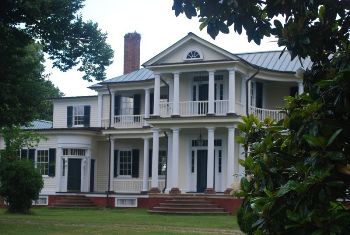
Birthplace: Belle Grove Plantation
Where: 221 Belle Grove Drive, King George, Virginia 22485
When: Daily, Noon-3pm
Cost: $10, adults; $8, seniors; $5, under 12; free, 4 and under
Web: bellegroveplantation.com
After decades in private ownership, John Madison's birthplace (and that of his mother's) has opened to the public as a bed and breakfast. Happily, the new owners also offer tours to guests and the public.
In 1731, Madison's mother Eleanor Conway was born at Belle Grove, where she lived until her marriage to James Madison, Sr., of Orange County, Virginia. Eleanor returned to Belle Grove to be with her mother during her first pregnancy. On March 16, 1751, she gave birth to James Madison, Jr., the future 4th president of the United States.
Located down the Rappahannock River from Washington's boyhood home, Ferry Farm, Belle Grove Plantation is an elegant example of Virginia plantation architecture, featuring double balconies, and beautifully curved porches and wooden doors. The current center section, built in 1790 by John Hipkins, is believed to be erected over the basement of Conway's original house. The porticos and wind extensions were added after 1839 by the Turner family.
While little, if any beyond the basement of the mansion, is original to James Madison or the Conways, the building is a stunning and well-preserved example of the graceful architecture of the antebellum South.
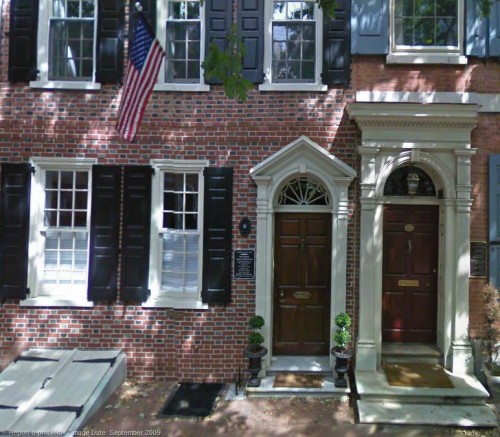
Philadelphia Home
Where: 429 Spruce St, Philadelphia
Tours: Privately Held. Not open to the public.
As a powerful voice in our young nation, founding father James Madison lived in Philadelphia for several years. In addition to Mrs. Payne's boarding house, Madison also roomed in a long-gone building with future 5th president James Monroe. After marrying Dolley, the couple resided in two Philadelphia homes, one of which still stands.
The William Williams-designed brick townhouse at 429 Spruce Street is privately owned, with a historical plaque to the left of the front door. During the Madisons' residence, the home to the right, 427, was occupied by a French diplomat. The Madisons' home last sold in 2007 for $1.925 million, according to Zillow.com.
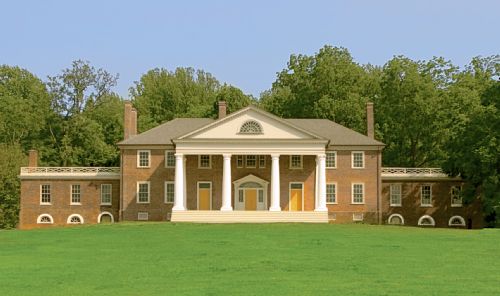
Montpelier
Where: Montpelier Station, VA (not the same as Montpelier, VA)
When: Everyday except Thanksgiving Day and Christmas Day
Cost: $8 - $16.
Web: Visit montpelier.org for more information.
Montpelier, was the boyhood home and lifelong residence of James Madison and is located just 45 minutes north of Jefferson's Monticello.
Because James and Dolley Madison were seldom apart, few letters survive that would describe the furnishings of Montpelier during their married years, which is a hardship for interior restoration efforts.
The symmetrical, brick home was originally built in 1764 by James' father, then enlarged twice during James' ownership. After his death in 1836, Dolley sold the estate in 1844. Thankfully, for historic purposes, the home was never allowed to fall into decay. Despite other enlargements, and in part due to the respect of the du Pont family, which owned the home from 1901 through 1983, James Madison's Montpelier has been easy to physically restore. In fact, when the du Pont heirs turned the estate over to the National Trust Fund, they noted that Mrs. du Pont Scott's will specified that it would be appropriate for Montpelier to be restored "in such a manner as to conform as nearly as possible with the architectural pattern which existed when said property was owned and occupied by President Madison."
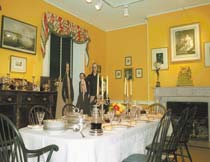
Restoration was declared complete in 2008, but the Montpelier Foundation is still seeking furnishings that belonged to James and Dolley Madison. The Foundation does display original Madison possessions in its collection and also has created three rooms at the visitor center that recreate du Pont family rooms during the 1920 Art Deco era.
Robert H. Smith Center for the Constitution
It would be only fitting that the home of the father of the Constitution also be home to an academic institution dedicated to the Constitution. The Robert H. Smith Center for the Constitution at Montpelier offers educational programming dedicated to offering participation in civic dialogue, improving the public’s understanding of the founding principles of the United States, and enabling citizens to deepen their understanding of and participation in our democracy.
Madison's Grave Site
James and Dolley Madison's grave sites are on the Montpelier property in the family cemetery.
Have You Visited?
Have you visited any of our Virginian Presidential Homes?
5. James Monroe
James Monroe was our first U.S. president not considered a Founding Father. However, he was the only U.S. president, other than George Washington, to actively serve in the armed forces during the Revolutionary War. He was at Delaware and Valley Forge as an 18-year-old soldier. As a scholar, he was a Jefferson protégé. He read law under Jefferson and subscribed to his mentor's desires for a weak executive and limited federal government. He was the final negotiator of the Louisiana Purchase and served as our Secretary of State and Secretary of War during the War of 1812 before being elected president for two terms, in 1816 and 1820.
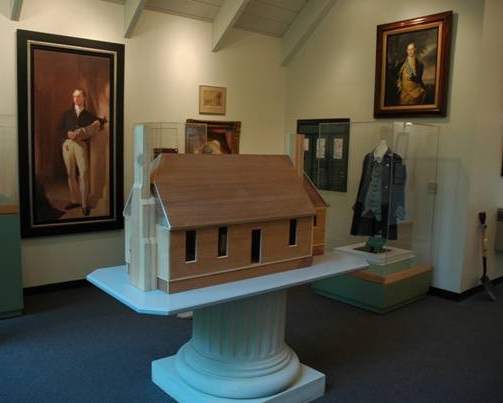
Birthplace
Where: 4460 James Monroe Highway, Colonial Beach, VA 22443
When: Saturdays & Sundays, Memorial Day through Labor Day
Cost: Free
Web: monroefoundation.org
In 1976 the College of William & Mary began the archaeological survey of the James Monroe Birthplace and uncovered the ruins of the Monroe Family Home. The archaeological team uncovered a 20' x 58' house foundation which coincided with the known 1845 etchings of the birth home. The archaeological study clearly indicated that James Monroe's beginnings were humble. The family resided in a small four room, rough cut wooden farmhouse with few outbuildings on a 500 acre farm filled with wetlands. Monroe spent his youth working the farm until he left for The College of William & Mary.
Today, visitors can see a model of the 4-room home at the Monroe Foundation's Birthplace Visitors Center. The center also features clothing and portraits and is just up the road from George Washington's birthplace.
Ash Lawn-Highland
Where: 2050 James Monroe Parkway, Charlottesville, VA 22902
When: Every day except Thanksgiving Day, Christmas Day & New Year's Day
Cost: $5-$10
Web: ashlawnhighland.org
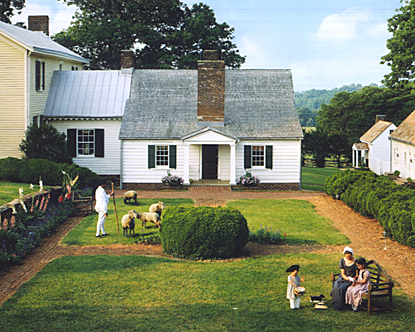
James and Elizbeth Monroe originally named their home Highland when they purchased the land and began building the home on the 535-acre farm in 1793. Highland was owned by the Monroe family through 1826 but was opened for tours as early as 1931 by previous owners, philanthropists Jay Winston and Helen Lambert Johns. Ash Lawn-Highland is now owned and operated by Monroe's alma mater, The College of William and Mary.
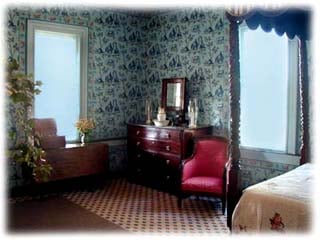
Highland is a modest home, compared to neighboring Monticello and Montpelier and to Monroe's post-presidential home, Oak Hill. However, the interior is elegant and beautiful. A wood-sided, rambling home, Highland offers a significant number of original Monroe furnishings, including the Hepplewhite dining set that he and his family used in the White House, bedroom furnishings, and decorative arts. A replica of the Monroe Doctrine desk displayed at the Monroe Museum in Fredericksburg is on display in the study, along with early American furnishings and an original oil painting of Monroe's daughter Maria. Many of the furnishings were imported by the Monroes from Napoleonic France. In honor of their first granddaughter's christening as Hortensia Monroe Hay, Queen Hortense of Holland had three portraits sent to the Monroes: one of herself, one of her brother Eugene, and one of Madame Campan, the headmistress of Eliza Monroe's school.
A visit could easily be fit into a day with Madison's home or either before or after viewing Monticello.
Monroe's Oak Hill
Oak Hill
Where: Leesburg, VA
When: Private Residence, not open to the public
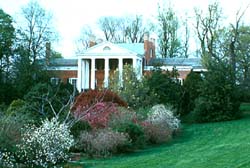
Monroe built his post-presidential mansion, Oak Hill, between 1820-23 as a second residence. He sought advice and ideas from Jefferson and from James Hoban, the architect of the White House. Monroe lived at Oak Hill from the home's completion in 1823 until a year before his death in 1831. Oak Hill features an unusual penta-style portico and is on the National Register of Historic Landmarks. Today, the home is a private residence in Loudon County, Viriginia.
Gravesite
Where: Hollywood Cemetery, 412 South Cherry St, Richmond City, VA 23220
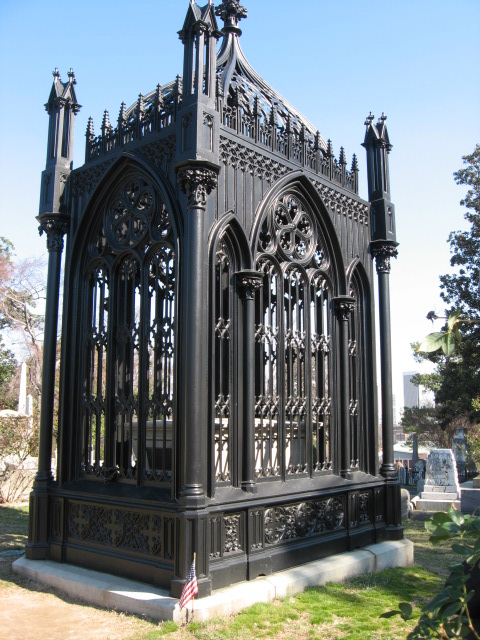
Opened in 1849, Hollywood Cemetery is a large and sprawling cemetery designed in the rural garden style, characterized by rolling hills and winding paths overlooking the James River and its many holly trees. In addition to James Monroe, President John Tyler and the only Confederate States President, Jefferson Davis, are also buried here. It is also the resting place of 25 Confederate Generals, more than any other cemetery in the country, including George Pickett and J.E.B. Stuart. In 1869 a 90-foot high granite pyramid was built as a memorial to the more than 18,000 enlisted men of the Confederate Army buried in the cemetery, often characterized as the Confederate National Cemetery.
Also in this Series
- Homes of U.S. Presidents, Part 1.5: John Adams & Joh...
The birthplaces, presidential homes, and grave sites of U.S. presidents John Adams and John Quincy Adams are perfect side trips for people visiting the Boston area. - Homes of U.S. Presidents, Part 2: The Jacksonian Era
From Andrew Jackson to James Polk - Homes of the U.S. Presidents, Part 3: Pre-Civil War
From Zachary Taylor to James Buchanan - Homes of the U.S. Presidents, Part 4: Abraham Lincol...
Offering visitor information and descriptions of Abraham Lincoln homes in Kentucky, Indiana, Illinois and Washington, DC.--including birthplace, boyhood home, law office and more. - Homes of the U.S. Presidents, Part 5: Andrew Johnson...
Who's buried in Grant's tomb? Birthplaces, presidential homes, and tombs of U.S. Presidents Andrew Johnson and Ulysses S. Grant.